Ohio State Highway Division
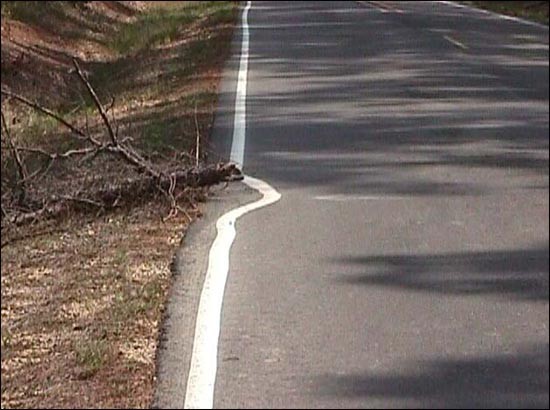
*JFG = Just For Giggles
Wheat Wrote WHAT?!Whatever Is On My Mind – Links for things I use: InMySmall Kitchen to EnjoyTheMaking |
||

| ||
We have a circle of friends who enjoy sharing a bit of inspiration and humor or just plain good thoughts. It is how we let each other know that even if we don’t have much news, we hold them in our thoughts. We send each other jokes, poems, and often slightly distorted humor.
I won’t promise this series will be completely g-rated, and you may not agree with the political commentary from time to time, but that is okay.
So for all those who understand DVC, hope you enjoy these notes – at least I’m not sending chain mail
Peace of the Season
Wheat
When I read on the Skeins list of Randi Nelson’s accident, my first thought was OUCH, that sounds like something I would have done
And, I had all to clear memories of how painful, frustrating & worst of all Boring, the recovery from this type of injury (a drunk driver ran over my motorcycle).
Then I thought, what better time to revisit ways she can market “on-line” – for someone with Randi’s wit and writing, blogging is going to be a “natural”, so I thought I’d share the link and you can learn more about Randi’s World In Stitches
and have a chance to leave her your get well wishes.
Peace of the Season
Wheat
P.S. JFG (Just for Giggles) If you want to hear the music that kept playing in my head as I read her story the first time, find a clip of Grandma Got Run Over By Raindeer
Keeping in mind that we are talking about the tasks that support the designer, most people do not realize there is a huge difference between creating a design and writing the instructions.
In fact, often times the original designer does not make any more than a swatch or a block before the project is handed off to the Pattern Writer.
Who is the Pattern Writer? It can be the designer (and sometimes that is where the process starts) or it can be someone handed a finished item, and asked to “reverse engineer” the project. Or my personal favorite is to start with the Designer Notes & The Garment and “go from there”. Or it can be just the concept, crocquis and swatch/block.
What is the primary responsibility of the Pattern Writer? It is the job of the pattern writer to ensure that the list of steps, and the explanation of each step is written in a clear concise manner, using standard abbreviations where ever possible according to the format dictated by the publisher.
What are the requirements to be a pattern writer? That’s pretty simple, whatever the craft or type of needlework. you must:
For those writing for garments, you really need to know how to do sizing, because it is not just about adding inches.
And the Golden Rule?
The work you produce must enable the average consumer to complete the project without undue heartache.
Your comments and questions are welcomed.
Wheat
P.S. To read more posts in this series, select the category
It Is All Just Business
from the side bar or Search for Designer Resources
I am not much of an Oprah Show fan, although certainly an admirer of the many things she has accomplished.One of the few times I did watch, was when she happened to introduce “Gratitudes”
What a wonderful concept to apply to every day living.. being grateful for the good makes it so much easier to deal with the ugly.
Throughout my life, in spite many challenges, not the least is what my oldest friend calls “being a catalyst” it has been my honor to have been helped in many ways by many people.
So, it just seemed right to have a place to explain why I will always hold them in my heart and thank them for always being there for me.
As so often happens sometimes music says it best (that and roses on your birthday) So with special thanks to “TH”
Here is today’s “music clip”
Peace to you in all seasons
Wheat
