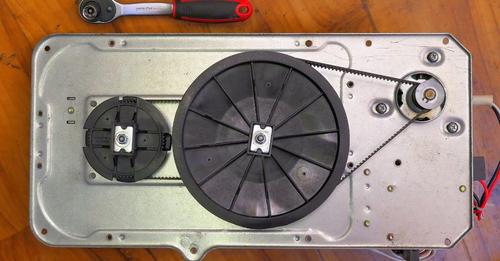
For Nerdy Bread Machine User Entertainment. Probably not something most should try at home and definitely the end of your warranty… And of course we can all appreciate the Cat Comments
https://www.youtube.com/watch?v=2FWpr5MkLco&t
Wheat Wrote WHAT?!Whatever Is On My Mind – Links for things I use: InMySmall Kitchen to EnjoyTheMaking |
||

| ||
For Nerdy Bread Machine User Entertainment. Probably not something most should try at home and definitely the end of your warranty… And of course we can all appreciate the Cat Comments
https://www.youtube.com/watch?v=2FWpr5MkLco&t

I wish I had listened when my friends Nana tried to teach me how to prepare for salad or side or better yet her way to make Dandelion Wine.
will have to try this recipe and see if it is “as I remember”
YOU DON’T JUST LOSE SOMEONE ONCE
You lose them over and over,
sometimes many times a day.
When the loss, momentarily forgotten,
creeps up,
and attacks you from behind.
Fresh waves of grief as the realisation hits home,
they are gone.
Again.
You don’t just lose someone once,
you lose them every time you open your eyes to a new dawn,
and as you awaken,
so does your memory,
so does the jolting bolt of lightning that rips into your heart,
they are gone.
Again.
Losing someone is a journey,
not a one-off.
There is no end to the loss,
there is only a learned skill on how to stay afloat,
when it washes over.
Be kind to those who are sailing this stormy sea,
they have a journey ahead of them,
and a daily shock to the system each time they realise,
they are gone,
Again.
You don’t just lose someone once,
you lose them every day,
for a lifetime.
Donna Ashworth


Just a reminder: Dried herbs and spices are about one third of fresh. So if recipe calls for 1 tablespoon of fresh ZEST, plan to rehydrate 1 teaspoon of dried peel. If you only have dried PEEL, rehydrate 1/2 tablespoon (1.5 Teaspoons,)
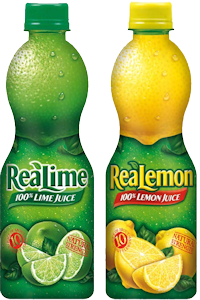
When you want to bring the citrus flavor forward AND add the texture of peels, you will find it time well spent if you rehydrate the peels1 in juice. Unsweetened2 Water enhancers are ideal for this and have decent shelf life. For “plain” water, we like to keep both Real Lemon and Real Lime3 on hand.
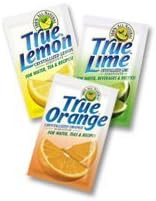
Another product I like are the True Lime, Lemon & Orange CRYSTALIZED Water Enhancers packets. They are unsweetened. No sugar, No Sugar Subs. The Lemon, Lime and several artificially sweetened drink varieties are often available in local stupid markets, the Orange is often not carried. So Amazon becomes the only source.
I don’t use the orange that often because the St. Dalfour Orange Marmalade Fruit Spread works in most of my recipes as it replaces both zest and some of the sugar. If neither it that often so and if the week’s menus require it, and none is in the pantry; then I will just buy a small bottle of OJ – and freeze what does not get used into recipe size portions. You will also find the packets in all three in my “hospital/travel go bag” just remember to rotate them out on a regular basis.
I have found that “on its own” dried peel is not very flavor forward, but rather more like added texture. With that in mind, the Atlantic Spice Orange peel is a bit more citrusy than most, BUT if I rehydrate with Lemon or Lime – it works because the flavor is really coming from the concentrated juice and so the lemon or lime flavor comes thru in the food where it used as an ingredient.
To Rehydrate: Peel: Place dried orange or lemon or lime peel in a small microwave safe bowl, add 1 packet of Crystalized Water Enhancer or 1 Tablespoon Lemon or Lime concentrate. then add additional liquid to just barely cover. Microwave just long enough to warm the liquid and then leave it, covered, on the counter until the liquid is absorbed. I have tried to “hurry the process” by microwaving for short intervals until all liquid is absorbed but did not like the result –
I am a bit sad today: I have been a huge supporter of KBS. And, as long as I can otherwise nurse this baby along I will. Meanwhile I will likely continue to post the more generic notes about my use of the KBS and other bread machines here.
One of its selling points is the two year warranty.
We have been having an issue for the last few loaves so I began the (TEDIOUS) Process of contacting amazon after repeated no response from KBS.
In round 1: I was given an 800# and email for a local cleaning company located Oceanside California (KBS-Services.com_ Hard to say who was more confused – the guy who answered the phone or me – but he was very polite and I thanked him for that courtesy.
Round 2 was a referral to Seller Assistant: Amazon acting as go between. AMAZON’s process to assist you with reaching a seller.
Round 3: Sent Message to Seller… Here is the response we received: Pretty much SOL this is the 2nd time this month an AMAZON did not deliver as promised and AMAZON is not back it up other than a partial refund offer (we will see if that helps. ) Do as they say Caveat Emptor – Because as they also say If it looks too good to be true (2 yr warranty on a product from a manufacturer whose other OEM usually die at 6 months) It probably is (too good to be true.
Dear xxxxx xxxxxxx
We are sorry to let you know that your message(s) associated with Order ID 112-xxxxxxxxxx cannot be delivered. The seller associated with your order or inquiry has left the Amazon store or is no longer able to receive any further email communications.
For additional guidance, consider visiting the Amazon Customer Service Homepage for recommendations by topic: http://www.amazon.com/hz/contact-us/foresight/hubgateway
We hope our online resources meet all your needs.
Warmest Regards, Amazon.com